Introduction
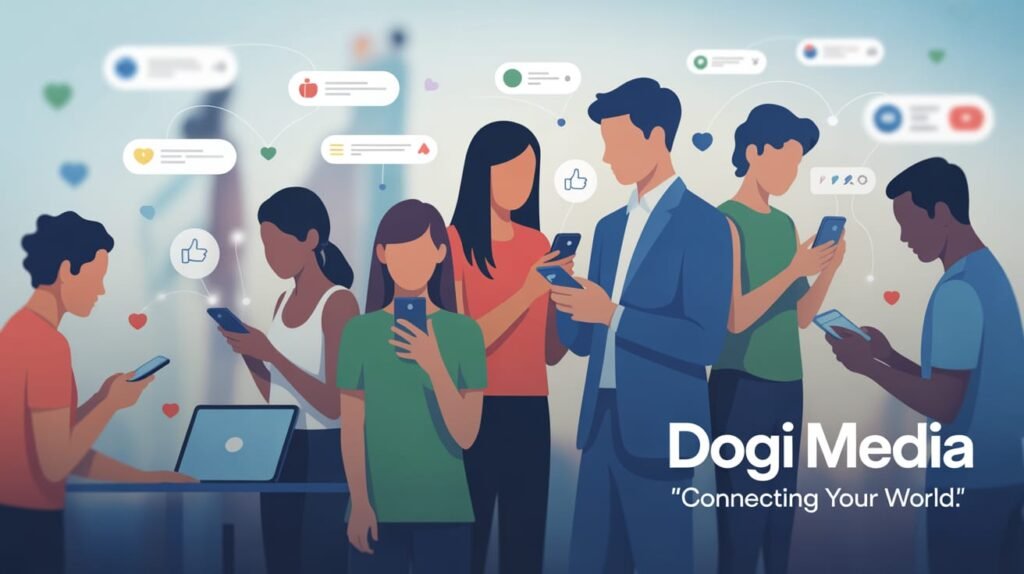
Social media has become more than just a tool for sharing pictures or updates. It has deeply transformed how people connect, communicate, and build relationships in the modern world. From friendships and family bonds to dating and professional networks, social platforms are influencing every aspect of human interaction. This shift has brought both opportunities and challenges. Understanding these changes helps us see how digital life is reshaping the core of our social world.
In this blog, we will explore the impact of social media on modern relationships, its benefits, challenges, and the way it has changed the definition of love, friendship, and even trust in today’s society.
The Rise of Social Media in Everyday Life
Over the last two decades, social media has become an inseparable part of daily living. Platforms such as Facebook, Instagram, TikTok, and LinkedIn connect billions of people worldwide. As a result, relationships are no longer limited by geographical barriers. A person in India can maintain a close friendship with someone in the United States. Similarly, families spread across different countries can feel closer by sharing updates instantly.
However, this rise has also created a dependency. People often rely on notifications, messages, or likes to feel connected. While this provides a sense of community, it also makes many relationships fragile because they depend on constant digital validation.
The Changing Nature of Friendships
Friendships are among the most affected areas. In earlier times, people spent more time in person, building bonds through shared experiences. Today, a large portion of friendships thrive online. Photos, memes, and status updates keep people connected even if they rarely meet face-to-face.
On the positive side, social media helps friends stay in touch despite busy schedules. It allows them to maintain connections that might otherwise fade away. For example, a childhood friend can remain in your life through regular online interaction.
Nevertheless, this form of connection can also feel shallow. Conversations may reduce to likes, emojis, and quick comments. As a result, many friendships risk becoming superficial rather than meaningful.
Social Media and Romantic Relationships
Romantic relationships have perhaps been influenced the most. Dating apps and platforms now serve as the starting point for millions of couples. Meeting online has become as common as meeting through friends or family. Social media offers opportunities to find partners who share similar values, interests, and lifestyles.
In addition, couples in long-distance relationships can maintain closeness through video calls, instant messages, and shared posts. Without these digital tools, many such relationships might not survive.
On the other hand, challenges also arise. Social media often exposes couples to jealousy and insecurity. Seeing a partner like or comment on someone else’s photo can lead to misunderstandings. Furthermore, oversharing private details online can create unnecessary conflict. Therefore, balance is crucial when mixing romance and digital platforms.
Family Connections in the Digital Era
Family relationships have also adapted to the digital world. Social media enables families separated by distance to share everyday life. Grandparents can see their grandchildren’s milestones through pictures and videos, even if they live far away.
In addition, private groups and messaging apps allow families to stay organized. Whether planning celebrations or simply sharing updates, digital communication keeps everyone connected.
However, there are challenges as well. Many families feel distracted by excessive screen time. Family dinners, once full of conversation, now often include everyone scrolling on their phones. As a result, digital connections may sometimes reduce the depth of in-person interactions.
The Role of Social Media in Professional Relationships
Social media is not just about personal connections. It has transformed professional relationships as well. Platforms like LinkedIn provide networking opportunities, career growth, and mentorship possibilities. Professionals can build personal brands and reach global audiences.
At the same time, oversharing personal opinions on public platforms can affect workplace relationships. Misunderstandings or inappropriate posts can harm reputations. Therefore, it is important to separate personal sharing from professional networking.
Positive Impacts of Social Media on Relationships
Despite challenges, social media offers several benefits:
Connectivity: It allows people to stay in touch across time zones and continents.
Support Systems: Online communities provide emotional support for those facing challenges.
Opportunities: It helps people meet like-minded individuals, from friends to romantic partners.
Celebrations: Life events such as birthdays, promotions, or achievements can be shared instantly with large groups.
In addition, social media often helps introverted people express themselves more comfortably. This creates opportunities to form relationships they might struggle to build in person.
Negative Impacts of Social Media on Relationships
However, the drawbacks are equally important:
Superficial Bonds: Many interactions remain shallow, focusing on likes rather than meaningful conversations.
Comparison Culture: Constant exposure to curated posts can make people compare their relationships with others, leading to dissatisfaction.
Jealousy and Distrust: Excessive online interactions sometimes fuel insecurity in romantic relationships.
Reduced Face-to-Face Time: People may prioritize online communication over real-world connections.
As a result, while social media offers connection, it can also weaken relationships if not balanced with offline interactions.
Social Media and the Redefinition of Trust
Trust has always been the foundation of strong relationships. In the digital age, trust has taken on new meanings. Sharing passwords, tagging in photos, and being visible online are now seen as signs of loyalty. However, this can also create unnecessary pressure.
For instance, if a partner takes too long to reply to a message, doubts may arise. Similarly, friends may feel hurt if they are not included in online posts. These small digital gestures carry more weight than they once did, reshaping the meaning of trust and intimacy.
How Generations Experience Relationships Online
Different generations experience social media differently.
Gen Z grew up with digital tools, making online communication natural. They often form friendships and relationships primarily online.
Millennials use social platforms actively but also value in-person connections. They balance both worlds.
Older Generations may use social media mainly to connect with family or professional circles, seeing it as a tool rather than a lifestyle.
Therefore, each generation faces unique challenges and benefits, depending on how they integrate social media into their lives.
Tips for Healthy Relationships in the Age of Social Media
To enjoy the benefits without falling into negative patterns, here are some strategies:
- Set Boundaries: Limit screen time during personal interactions.
- Communicate Openly: Discuss online habits with friends, partners, and family.
- Focus on Quality, Not Quantity: Engage in meaningful conversations instead of chasing likes.
- Avoid Comparisons: Remember that most social media posts show only highlights, not reality.
- Respect Privacy: Avoid oversharing details that may affect others.
By practicing these habits, people can use social media as a tool for connection rather than division.
The Future of Relationships in a Digital World
Looking ahead, social media will continue to shape relationships in new ways. Virtual reality, AI-driven companionship, and immersive online communities are already emerging. These technologies may bring people closer while also raising new questions about authenticity and trust.
Therefore, society must adapt by focusing on human values. Love, respect, empathy, and trust must remain central, no matter how advanced the platforms become.
Conclusion
Social media has undeniably reshaped modern relationships. It connects people across distances, helps maintain bonds, and creates opportunities for love, friendship, and professional growth. However, it also brings challenges such as superficial interactions, jealousy, and reduced face-to-face connections.
The key lies in balance. Social media should enhance relationships, not replace genuine human interaction. When used mindfully, it can be a powerful tool for building stronger, more meaningful connections.
In the end, relationships are built on emotions and trust, not just digital interactions. By recognizing the role of social media and using it wisely, we can ensure that our modern connections remain healthy, authentic, and fulfilling.
Read More Blogs : https://dogimedia.com/blog/
Subscribe Now : https://youtube.com/@xworldconsultancy
Follow Us On Instagram : https://www.instagram.com/xworldconsultancy
Follow Us On X : https://x.com/xwconsultancy
токарный станок по металлу с чпу купить https://gdestanok.ru – https://gdestanok.ru/
ремонт водонагревателей москва https://fix-boiler-moskva.ru/
когда менять сцепление
http://avto100k.ru
мастер по бойлерам москва https://servis-vodonagrevateley-msk.ru/