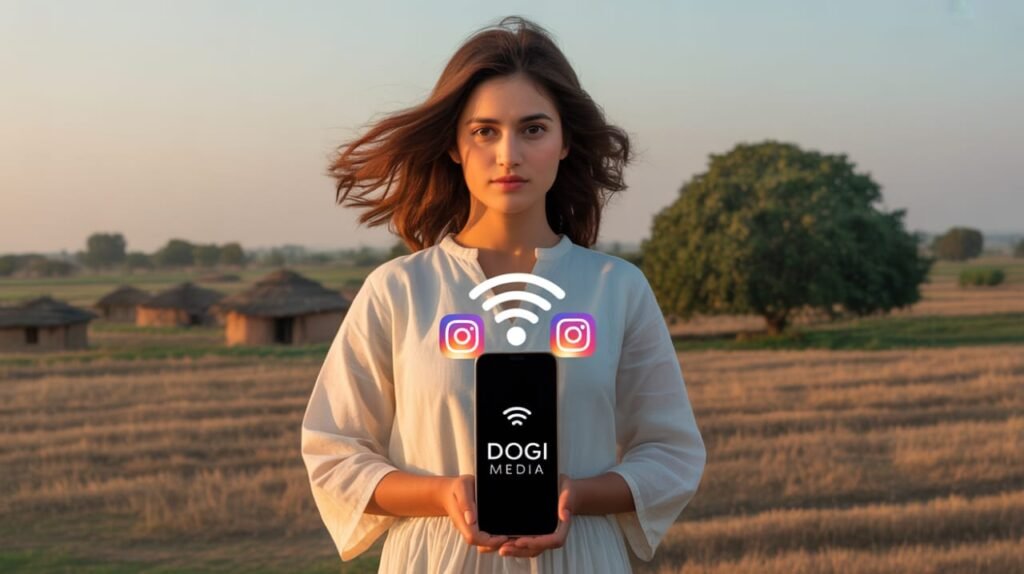
From Print to Podcast: How Rural Media is Evolving in the Digital Age
Introduction
For decades, rural media in India and across the globe remained largely anchored in traditional formats—newspapers, handbills, and loudspeakers mounted on vans. These mediums served as crucial lifelines for disseminating information to remote communities. However, in recent years, rural media has been undergoing a radical transformation. With growing digital penetration, smartphones, affordable internet, and the rise of hyper-local content creators, rural communication is no longer just about print. It’s now about podcasts, social media reels, community radio, and YouTube channels that speak the language of the local people.
In this blog, we explore how rural media is evolving in the digital age, what this means for information access, and how organizations like Dogi Media are reshaping the narrative from the grassroots.
The Legacy of Print Media in Rural India
To begin with, it is important to acknowledge the historical significance of print media in rural areas. Newspapers in regional languages such as Hindi, Marathi, Bengali, Tamil, and Telugu were often the only credible source of news. Unlike urban readers, rural populations usually shared a single newspaper among several households, turning reading into a communal activity.
Moreover, the print medium had the advantage of permanence. Flyers about government schemes, health advisories, or agricultural updates were preserved and referred to multiple times. However, while print was influential, it had limitations: slow updates, limited distribution, and the challenge of illiteracy among sections of the rural population.
The Digital Wave Hits Rural Media
As mobile connectivity improved and the Digital India initiative gained traction, rural media began to pivot. Initially, it started with SMS-based alerts for farmers and gradually expanded to include WhatsApp forwards, YouTube videos, and community Facebook groups.
According to the Internet and Mobile Association of India (IAMAI), over 350 million internet users now reside in rural India—more than in urban areas. This digital surge has changed the way rural populations consume content. Notably, the rise of video and audio formats has bridged the literacy gap, enabling even non-readers to access and engage with relevant information.
Transitioning to Podcasts and Audio Content
One of the most promising developments in rural media is the rise of podcasts and audio storytelling. Unlike videos that require full attention and screen time, audio content allows multitasking—farmers can listen while working in the fields or women while cooking.
Podcasts in local dialects are now emerging as powerful tools for community learning. Platforms such as Spotify, Gaana, and even WhatsApp voice notes are being used to spread information about health, farming techniques, and government schemes. Dogi Media, for instance, has capitalized on this trend by creating hyper-local audio content tailored to the needs of specific rural communities.
Dogi Media: Bridging the Information Gap
Founded with the mission to give voice to the voiceless, Dogi Media has carved a niche in rural journalism. Based in a small town but impacting a wide digital footprint, Dogi Media exemplifies how local storytellers can utilize modern technology to bring change.
Initially started as a WhatsApp group sharing news snippets and community announcements, Dogi Media has grown into a multimedia platform. It now features:
Short documentary videos highlighting rural success stories
Podcast series covering topics such as agriculture, education, and women’s health
Instagram Reels with vernacular storytelling
Weekly newsletters distributed via email and WhatsApp
By keeping the content authentic, rooted in the community, and digitally optimized, Dogi Media manages to bridge the urban-rural divide in storytelling.
The Role of Social Media in Rural Reporting
Alongside Dogi Media, many rural content creators are turning to platforms like Facebook, Instagram, and YouTube to reach local audiences. This rise of social media journalism has empowered rural youth to report local issues—from potholes on village roads to electricity failures and school infrastructure lapses.
Furthermore, social media allows for two-way communication. Viewers can respond with comments, share personal stories, and even crowdsource solutions. In effect, social media is transforming passive audiences into active community participants.
Importantly, rural influencers—once ignored in mainstream campaigns—are now courted by political leaders and NGOs who recognize their outreach power.
Challenges in the Digital Transformation of Rural Media
Despite the promise, the digital evolution of rural media is not without hurdles. Among the most significant challenges are:
Digital Literacy: Many rural users are first-time internet users with limited knowledge of content verification, making them vulnerable to misinformation.
Infrastructure Gaps: Intermittent power supply and poor connectivity still plague many regions.
Language Barrier: Most online content is in English or Hindi, while India has hundreds of regional languages and dialects.
Content Authenticity: The absence of editorial checks on social media can lead to the spread of fake news.
Even so, initiatives like Dogi Media are addressing these issues head-on by conducting digital literacy workshops, encouraging fact-checking, and promoting content moderation practices among citizen journalists.
Government and NGO Involvement
In recent years, several government departments have launched rural digital campaigns to increase awareness about welfare schemes, sanitation, and vaccinations. These campaigns now often include podcasts, community radio announcements, and mobile-friendly video content.
Organizations such as Pratham, Digital Empowerment Foundation, and Breakthrough are also helping rural media creators with training in content creation, storytelling, and basic journalism ethics. Some even offer mini grants to local media startups, allowing them to scale operations and adopt better technology.
Dogi Media has collaborated with several of these entities, leveraging training and funding to expand its reach and production quality.
The Impact Of Rural Media : Rural Voices, Global Reach
One of the biggest benefits of digital rural media is that it amplifies voices that were previously unheard. Now, a story of a farmer innovating with sustainable techniques or a young girl challenging gender norms can travel across states and even countries.
With tools like geotagging, real-time uploads, and cross-platform sharing, rural content no longer stays confined to the village square—it becomes part of the national discourse. More importantly, it inspires change by creating visibility for grassroots innovations and issues.
Case Study: A Viral Story from Dogi Media
A recent podcast episode by Dogi Media titled “Pani Ki Jung” (The Fight for Water) highlighted the water scarcity in a tribal village. The episode not only received over 30,000 listens on Spotify and local radio apps but also drew attention from state-level policymakers. As a result, a tanker water supply was initiated for the affected region. This is a testament to how rural digital media, when well-crafted and targeted, can bring about tangible change.
Future Trends: What Lies Ahead?
Looking ahead, several trends are likely to shape the next phase of rural media evolution:
- Voice Search & AI Assistants: With tools like Google Assistant becoming vernacular-friendly, rural users will access news and updates more effortlessly.
- Hyper-Localization: Customized news by village or tehsil will become the norm rather than the exception.
- Short-Form Content Dominance: Reels, Shorts, and 1-minute videos will continue to dominate due to lower data consumption and quick engagement.
- Collaborative Journalism: Urban-rural media collaborations will gain traction, combining tech-savvy reporting with local insights.
Conclusion
From dusty newspaper pages to engaging audio stories on smartphones, rural media has come a long way. While challenges persist, the digital age has unlocked unprecedented opportunities for inclusivity, participation, and empowerment.
The success of platforms like Dogi Media shows that when rural voices are equipped with digital tools, they can not only tell their stories but also shape narratives and influence policies. Rural media is no longer just a recipient of information; it is now an active player in the national media ecosystem.
As we move forward, supporting rural content creators, ensuring equitable access to technology, and nurturing local storytelling will be crucial in building a truly representative and vibrant media landscape for all.
Buy Now : https://xworldconsultancy.in/courses/ai-tools-mastery-21-tools-to-earn/
Subscribe Now : https://youtube.com/@xworldconsultancy
Follow On X : https://x.com/xwconsultancy
Follow On Instagram : https://www.instagram.com/xworldconsultancy
Visit Again : https://dogimedia.com/
Nice article
Rural media
Good information
Social media is great
Podcast is scripted
Podcast is scripted for media
Nice information
Media
Nice information
Dogi Media is truly empowering rural voices through digital storytelling. From podcasts to social media reels, it is bridging the urban-rural divide and giving communities the platform to share their stories. Such initiatives not only inform but also inspire real change at the grassroots level.”
Nice
Nice
Rural मिडिल भविष्य के लिए बहुत महत्वपूर्ण है
Internet and social media rich the voice global
Nice
Nice information 👍
Awesome 😎
Time to time youth attached to media
Rural voices shifting from print to podcasts, reaching wider audiences.
Good
Nice
Y 1new suwat hi,,jab ki media ne sab ka viswas todkar rkha huwa hi,, online platform, society, social media alag alag contatan bankar sacch batana bhi sabka hak hi…he best new …
Good information
Nice
It’s about rural media supporting rural content creators ensuring equitable access to technology and nurturing local storytelling will be crucial in building a truly representative and vibrant media landscape for all
Very nice blog
Amazing 🤩🤩
गाँवों में मीडिया का यह बदलाव वाकई ऐतिहासिक है। पहले जहाँ एक अख़बार पूरे मोहल्ले की जानकारी का जरिया होता था, वहीं अब पॉडकास्ट, यूट्यूब और सोशल मीडिया ने हर व्यक्ति को अपनी आवाज़ उठाने का मंच दे दिया है। यह न सिर्फ़ सूचना को तेज़ी से पहुँचाता है, बल्कि स्थानीय बोली और मुद्दों को भी राष्ट्रीय स्तर पर पहचान दिलाता है।
Nice
Good
Ryt
Great article about rural media
Nice blog 👍
Worth it
Sahi hai
👍👍
Rural media print to podcast
👍🏻👍🏻
Nice blog
👍👍
Trending
Nice
Nice
Nice blog
Good information
Nice Article and explore the rural media
Right blog
It’s great 😃
It’s about rural media supporting rural content creators ensuring equitable access to technology and nurturing local storytelling will be crucial in building a truly representative and vibrant media landscape for all
Nice
Right
Digitally work
Best blog for rural development
Very good article
Nice
Nice
Amazing 🤩🤩🤩🤩
Right
Best one
Awesome 😎cool
Alongside Dogi Media, many rural content creators are turning to platforms like Facebook, Instagram, and YouTube to reach local audiences. This rise of social media journalism has empowered rural youth to report local issues—from potholes on village roads to electricity failures and school infrastructure lapses.
Furthermore, social media allows for two-way communication. Viewers can respond with comments, share personal stories, and even crowdsource solutions. In effect, social media is transforming passive audiences into active community participants.
Importantly, rural influencers—once ignored in mainstream campaigns—are now courted by political leaders and NGOs who recognize their outreach power.
Good article
Super
Nice blog
Good
Good
Nice information about rural media.
Amazing
Bohat achhi jankari h
Very good
Great information articles
Amazing experience
This newz is trending
I read everything so good information
Good information
Good information
It’s now about podcasts, social media reels, community radio, and YouTube channels that speak the language of the local people.
Thanks for sharing this information
Very interesting information
Good information