Introduction
Social media has become one of the most powerful tools in the modern digital world. Platforms like Instagram and Facebook have shaped how people connect, share, and consume content. However, as technology evolves and user behavior changes, many are asking a big question: what comes after Instagram and Facebook? The future of social media is being written every day, and the next generation of platforms will look very different from what we know today.
In this blog, we will explore the future of social media in detail. We will look at the possible changes, the rising trends, and the platforms that could dominate the next decade. Moreover, we will analyze how businesses, creators, and everyday users will experience this transformation.
The Evolution of Social Media
Before we predict the future, we must first understand the past. Social media started as a simple way to connect with friends online. Platforms like Orkut, MySpace, and Friendster allowed people to interact digitally, but their reach was limited.
Then came Facebook, which revolutionized social networking with a universal platform that connected millions. Soon after, Instagram entered the scene with a focus on visuals and storytelling. These two platforms quickly became household names, shaping culture, trends, and even global conversations.
However, times are changing. Younger generations, particularly Gen Z and Gen Alpha, are moving away from traditional platforms. Instead, they prefer short-form, interactive, and immersive experiences. Consequently, the dominance of Instagram and Facebook is beginning to fade.
Why Users Are Shifting Away
To predict the future, we need to understand why users are moving away from Instagram and Facebook.
Content Overload
With billions of users posting every day, the amount of content on Instagram and Facebook has become overwhelming. As a result, meaningful connections are harder to maintain, and attention spans are shrinking.
Decline in Trust
Both platforms have faced serious issues related to data privacy, misinformation, and algorithm manipulation. Consequently, many users no longer trust them the way they once did.
Changing User Preferences
Today’s audiences want authenticity over perfection. Instagram, once famous for polished photos, now feels too staged for younger generations. Instead, they are choosing platforms like TikTok or BeReal, which focus on real-time, unfiltered content.
Rise of Video and Interactivity
Static photos are losing appeal. Interactive content such as short videos, live streams, polls, and augmented reality filters is becoming the new standard. Instagram and Facebook are struggling to adapt quickly enough to keep up.
The Next Wave of Social Media Trends
Now that we know why change is happening, let’s explore the future trends that will shape social media after Instagram and Facebook.
Short-Form Video Domination
Platforms like TikTok have already proven that short-form video is the future of content. Quick, engaging videos are easier to consume, easier to create, and more likely to go viral. In the future, expect even more platforms to embrace this format.
Augmented Reality (AR) and Virtual Reality (VR)
The Metaverse may not have taken off as expected, but AR and VR will continue to play a huge role. Social media could become more immersive, allowing people to attend virtual concerts, explore digital worlds, and interact through avatars.
Decentralized Platforms
Privacy concerns are pushing users toward decentralized platforms that do not rely on a single company controlling all data. Blockchain-based social networks are emerging as alternatives, giving users more control over their content and information.
Niche and Community-Based Platforms
Instead of one giant platform for everyone, the future could see smaller, specialized networks that focus on specific interests. For example, platforms for book lovers, fitness enthusiasts, or gamers will become more popular as people seek deeper connections.
AI-Powered Personalization
Artificial Intelligence will make social media smarter. Content recommendations, friend suggestions, and advertising will become more tailored than ever before. At the same time, AI-generated content will reshape what we see online.
Rising Competitors to Watch
If Instagram and Facebook are slowly losing dominance, who could replace them? Let’s look at the potential leaders of the future.
TikTok
TikTok has already disrupted the industry by focusing on short, entertaining videos. With its powerful algorithm, it keeps users engaged for hours. Although it faces regulatory challenges, TikTok is setting the standard for the future.
BeReal
BeReal’s concept is simple but powerful: one random photo at the same time every day. It focuses on authenticity rather than perfection. This raw and real approach is attracting younger audiences who are tired of polished Instagram feeds.
X (formerly Twitter)
Under new leadership, Twitter has transformed into X, aiming to be an “everything app.” It combines text, video, payments, and more. If successful, X could become the hub for communication, commerce, and entertainment.
Threads
Launched by Meta, Threads is designed to be an alternative to Twitter/X. While still growing, it could capture users who want fast updates without the chaos of traditional platforms.
Niche Platforms
Smaller platforms like Discord, Mastodon, and Clubhouse are gaining popularity among specific communities. They may not replace Instagram or Facebook completely, but they will build loyal followings.
The Role of Businesses in the Future of Social Media
For businesses, the evolution of social media is both a challenge and an opportunity. Marketing strategies must adapt quickly to stay relevant.
Authentic Content Will Be Key
Polished advertisements will no longer be enough. Brands will need to create authentic, relatable, and interactive content that builds trust and engagement.
Influencer Marketing Will Evolve
Influencers will remain important, but micro-influencers and community leaders will become even more valuable. These smaller creators often have stronger connections with their audiences, making their recommendations more effective.
Social Commerce Will Grow
Shopping through social media will become more seamless. Integrated e-commerce features will allow users to purchase products without ever leaving the app.
AI Customer Service
Brands will rely on AI chatbots and virtual assistants to provide instant responses. This will improve customer experiences and help businesses manage large audiences more efficiently.
The User Experience of Tomorrow
The biggest change in the future of social media will be how users experience platforms. Instead of scrolling endlessly through feeds, people will engage in more interactive and immersive ways.
Gamified experiences will make social media more fun and addictive.
Voice-driven interfaces will allow hands-free browsing.
Personalized feeds will feel unique to every user.
Cross-platform integration will connect different networks into one smooth experience.
Potential Challenges Ahead Social Media
Although the future looks exciting, there are also challenges to consider.
- Data Privacy Concerns – Even with decentralization, securing user data will remain a top priority.
- Misinformation and Fake Content – With AI-generated media on the rise, distinguishing real from fake will be harder.
- Digital Addiction – The more engaging platforms become, the more addictive they could be, affecting mental health.
- Regulations and Bans – Governments may continue to ban or restrict certain apps, affecting global access.
What Could Replace Instagram and Facebook?
While no platform may completely replace Instagram or Facebook overnight, the future will be multi-platform. People will use different networks for different purposes:
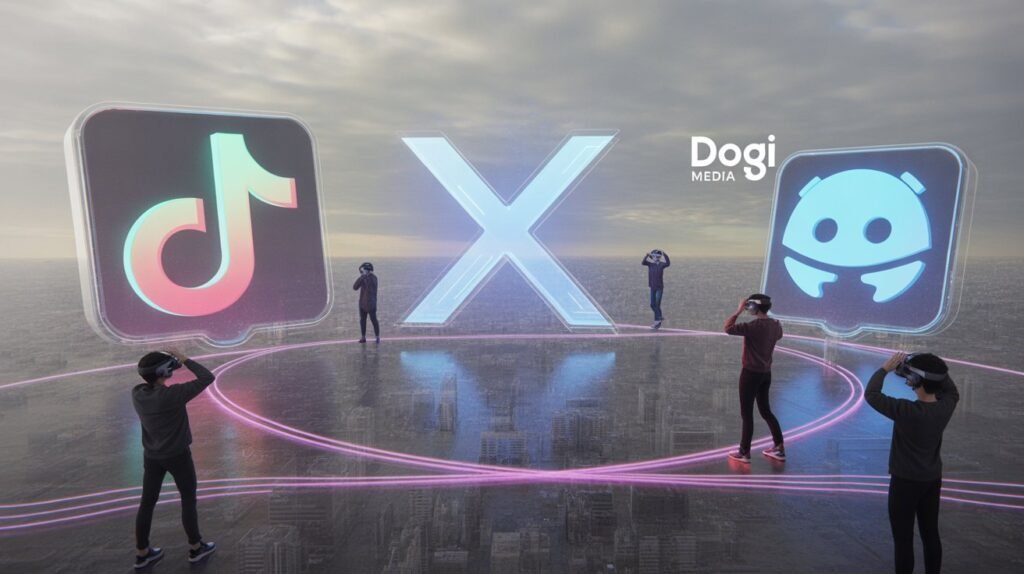
TikTok for entertainment.
Discord for community.
X/Threads for real-time news.
BeReal for authenticity.
AR/VR platforms for immersive experiences.
In other words, instead of one dominant app, we will live in a diverse social media ecosystem.
The Role of Dogi Media in This Future
As the digital landscape changes, platforms like Dogi Media play a crucial role. By providing insights, updates, and guidance, Dogi Media helps users, creators, and businesses stay informed. Moreover, Dogi Media highlights trends, analyzes market shifts, and empowers people to navigate the evolving world of social media.
Final Thoughts
The future of social media is dynamic, immersive, and community-driven. While Instagram and Facebook shaped the past decade, the next wave of innovation will look very different. With short-form videos, AR/VR experiences, decentralized platforms, and AI personalization, the digital world is evolving rapidly.
For users, this means more authentic and engaging experiences. For businesses, it means adapting strategies and embracing new technologies. And for society, it means rethinking how we connect, share, and build communities in the digital age.
One thing is certain: the future of social media will not be controlled by a single platform. Instead, it will be a diverse ecosystem where people choose the networks that best match their needs. The story of Instagram and Facebook may be reaching its peak, but the next chapter of social media is just beginning.
Read More Blogs : https://dogimedia.com/blog/
Subscribe Now : https://youtube.com/@xworldconsultancy
Follow Us On Instagram : https://www.instagram.com/xworldconsultancy
Follow Us On X : https://x.com/xwconsultancy
машина tank 300 http://tank-3001.ru