Introduction
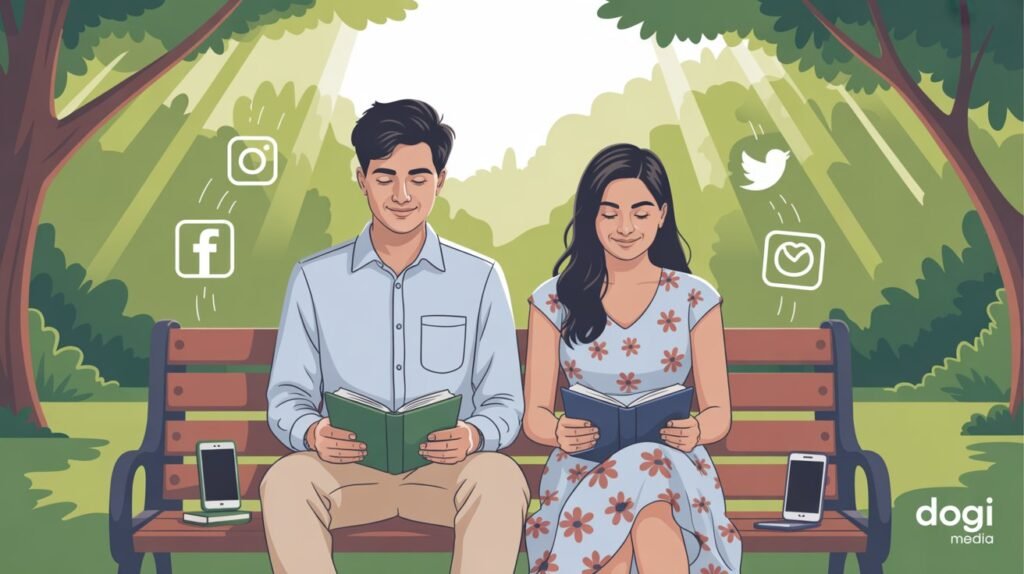
In today’s hyper-connected world, social media has become a powerful tool of communication, entertainment, and self-expression. However, the constant notifications, endless scrolling, and increasing pressure to stay updated are now overwhelming young Indians. Moreover, many people are realizing that excessive use of platforms like Instagram, Facebook, and Twitter is taking a toll on their mental health, productivity, and personal relationships. Consequently, the concept of digital detox is gaining significant momentum in India.
Digital detox refers to a conscious decision to take a break from social media and digital devices in order to regain focus, clarity, and emotional balance. Interestingly, young Indians are at the forefront of this movement. Therefore, it becomes important to ask: why exactly are they choosing to log off? And how, in fact, is this lifestyle shift shaping their mental and emotional well-being? Let us, therefore, explore these questions in detail.
The Allure of Social Media
To understand why digital detox is becoming popular, it is important to look at why social media is so attractive in the first place. Firstly, social platforms provide instant gratification through likes, shares, and comments. In addition, they allow young users to showcase their lives, connect with friends, and stay updated about global events. Moreover, social media has created opportunities for networking, career growth, and even earning money through content creation and influencing.
Nevertheless, this allure comes with hidden costs. For example, the very features that make social media engaging also make it addictive. Each time, a notification triggers a dopamine response in the brain, encouraging users to spend more time online. Gradually, this cycle leads to dependency and makes logging off increasingly difficult.
Why Young Indians Are Choosing Digital Detox
Mental Health Concerns
One of the biggest reasons for the rise of digital detox is the direct impact of social media on mental health. Studies show that excessive screen time contributes to stress, anxiety, and depression. Young Indians are becoming more aware of these effects. Consequently, they are prioritizing mental well-being over virtual validation.
The Pressure of Comparison
Social media often portrays filtered versions of reality. Constant exposure to curated lifestyles leads young people to compare themselves with others. This comparison triggers feelings of inadequacy and low self-esteem. Therefore, stepping away from digital platforms helps them avoid unnecessary pressure and embrace self-acceptance.
Decline in Productivity
Another major factor is reduced productivity. Young students and professionals often find themselves spending hours scrolling instead of focusing on their studies or careers. Over time, this habit affects performance and creates frustration. A digital detox allows them to reclaim lost time and channel it into meaningful activities.
The Fear of Missing Out (FOMO) Turning Into Joy of Missing Out (JOMO)
Earlier, young Indians feared missing out on trends, events, or updates. However, now many are embracing the Joy of Missing Out (JOMO). They find peace in not being constantly connected. Instead of feeling left behind, they experience freedom and contentment when offline.
Desire for Real Human Connections
Social media connections, while convenient, often lack depth. Young Indians are increasingly realizing the importance of face-to-face interactions. They crave real conversations, shared experiences, and authentic friendships. Thus, disconnecting from digital distractions helps them invest more in real-world bonds.
The Growing Trend of Digital Detox in India
Urban Youth Leading the Way
In metropolitan cities like Delhi, Mumbai, and Bangalore, digital detox retreats and workshops are becoming common. Young professionals, college students, and entrepreneurs are attending these programs to escape digital overload.
Rise of Mindfulness Practices
Alongside detox, practices like meditation, yoga, and journaling are also gaining popularity. These activities complement the detox process by encouraging focus, calmness, and inner clarity.
Role of Educational Institutions
Several schools and colleges are organizing campaigns to raise awareness about the harmful effects of excessive social media use. They encourage students to participate in “no-phone days” or digital-free activities, fostering a healthier relationship with technology.
Workplace Wellness Initiatives
Even corporate companies are recognizing the importance of digital breaks. Some firms encourage employees to log off after work hours or provide wellness sessions that promote digital balance. This culture is influencing young workers to adopt healthier online habits.
Benefits of Digital Detox
Improved Mental Health
A detox reduces anxiety, lowers stress levels, and helps people sleep better. Young Indians who take regular breaks report feeling calmer and more focused.
Higher Productivity
Logging off allows individuals to concentrate on their goals without constant distractions. Consequently, they manage their time better and perform more efficiently.
Stronger Relationships
Spending less time online creates space for quality interactions with family and friends. In turn, this strengthens personal bonds and enhances emotional satisfaction.
Enhanced Self-Awareness
A detox encourages reflection. When young Indians step back from digital noise, they understand themselves better, discover new hobbies, and set healthier boundaries.
Better Physical Health
Reduced screen time decreases eye strain, headaches, and poor posture. Additionally, people become more active physically, which benefits overall health.
Challenges of Practicing Digital Detox
Although digital detox has many advantages, it is not always easy. The challenges include:
Addiction Withdrawal: Like any habit, reducing screen time feels uncomfortable initially.
Peer Pressure: Friends and colleagues may expect constant online availability.
Work Demands: Many jobs require social media presence, making detox difficult.
Habitual Scrolling: Boredom often leads young Indians back to their screens.
However, with discipline and conscious effort, these challenges can be overcome.
Tips for Young Indians to Start a Digital Detox
Set Clear Boundaries – Decide specific hours for using social media and stick to them.
Use Detox Apps – Several apps track screen time and block distractions.
Replace with Healthy Activities – Pick up hobbies like reading, cycling, or painting.
Create Digital-Free Zones – Keep phones away from bedrooms and dining tables.
Plan Detox Days – Choose weekends or holidays for complete social media breaks.
Stay Accountable – Inform friends and family about your detox so they support you.
How Digital Detox is Redefining Social Media Use in India
The rise of digital detox is not about rejecting technology completely. Instead, it is about creating a balanced relationship with it. Young Indians are learning to use social media consciously, without letting it control their lives. They are focusing on mindful scrolling, limited screen time, and prioritizing offline activities.
This balanced approach represents a cultural shift. Social media will continue to be a part of daily life, but young Indians are proving that mental health and real-world happiness must always come first.
Conclusion
The rise of digital detox among young Indians is a reflection of changing priorities. As awareness about mental health grows, more people are recognizing the importance of logging off. While social media continues to shape modern communication, its overuse is no longer seen as harmless. Instead, conscious breaks are becoming essential for emotional balance, productivity, and genuine human connections.
Ultimately, digital detox is not just a trend. It is a lifestyle choice that empowers young Indians to reclaim their time, energy, and peace of mind. By embracing this shift, they are building a healthier, more meaningful, and more fulfilling future—both online and offline.
Read More Blogs : https://dogimedia.com/blog/
Subscribe Now : https://youtube.com/@xworldconsultancy
Follow Us On Instagram : https://www.instagram.com/xworldconsultancy
Follow Us On X : https://x.com/xwconsultancy